Astronauts bound for the Moon and Mars could one day eat strawberries, cucumbers and lemon basil grown on board, after recent NASA testing pointed to the three crops as options for future crews.
Researchers at NASA are sorting out which plants could add fresh food, nutrition and variety to those missions, the agency said in an announcement of the research.
Plants on a spacecraft also soak up carbon dioxide, give off oxygen and recycle water, and those jobs count for more as crews travel farther from Earth.
Variety brings its own payoff, NASA said. Growing a range of crops "not only benefits astronauts’ diets and mental well-being, but it also increases plant biodiversity," the agency said. That biodiversity can improve the chances that crops succeed on long missions, it added.
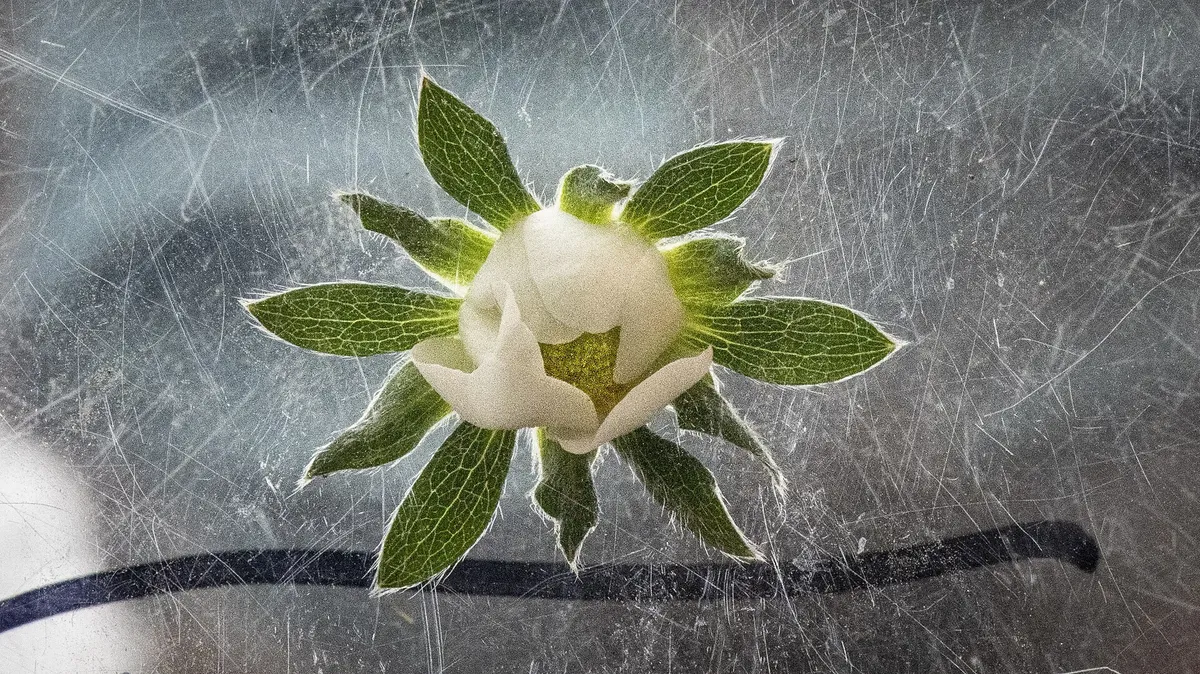
Strawberries are one of only a handful of sweet fruits being weighed for spaceflight. They're nutritious and fragrant, and they pollinate themselves.
At NASA's Kennedy Space Center in Florida, researchers are growing strawberries in chambers built to match the ones used in flight.
In one experiment, scientists from Kennedy, the University of Melbourne and the University of Western Australia pitted a wild strawberry against Delizz, NASA's leading candidate, under simulated space conditions.
Delizz produced big red berries in that study, which Life Sciences in Space Research published in September. Its wild rival bore small yellow fruit, the product of a recessive genetic mutation.
On sheer output, the wild plant came out ahead. Grown from seed, it made double the number of buds, flowers and fruit that Delizz did.
Delizz held on to its top spot anyway, because the wild strawberry sent out too many runners, and those would crowd the limited room on a spacecraft.
Cucumbers would be a first. Many crops have already been grown in space, yet none so far has come from the gourd family, and the cucumber could become the first to do so.
Under spaceflight conditions, NASA-funded researchers measured how well cucumbers grew, how much they yielded and how nutritious they were.
Their findings, published in August in the journal HortScience, showed some of the plants developing enlarged leaves. Even so, the cucumbers kept up a steady supply of fruit fit to eat.
Lemon basil has cleared its first hurdle. It passed a preliminary round of space crop testing, then went through seed sanitization, a step required before spaceflight that strips microorganisms from seeds.
Next, researchers will check how the herb grows in plant pillows, which can hold plants aboard the space station.
NASA sees the herb as an answer to monotony at the table. "Menu fatigue can quickly become a problem for astronauts, but fresh herbs like lemon basil help transform packaged meals," the agency said.
NASA's Biological and Physical Sciences Division is preparing to send a new investigation to the International Space Station, carrying a prototype growth chamber that the agency describes as the first of its kind.
Photo: USDAgov / Wikimedia Commons (Public domain)